Are THC Drinks Safe?
So, you’re here because you think THC drinks are bad for you?
Well, not really if you’re a healthy adult who uses a low dose sensibly. But they are not magic water either.
A THC drink can be a fun alcohol alternative, but dosage, tolerance, setting, and product quality matter.
Are THC Drinks Bad for You?
THC drinks are not bad in the same way heavy alcohol use is bad, and they avoid the lung irritation that comes with smoking.

But they can still hit your brain, body, mood, and reaction time because they contain THC.
For a healthy adult, one low-dose THC drink in a safe setting is usually a much lighter choice than taking a strong edible or crushing several alcoholic drinks.
The problems usually start when the THC content is too high for your tolerance, the drink is poorly labeled, or you treat it like normal sparkling water.
|
Situation |
Are THC Drinks a Bad Idea? |
Why It Matters |
|
Healthy adult using 5mg at home |
Usually lower risk |
Effects vary, but pacing is easier |
|
Beginner starting with 25mg+ |
Yes, risky |
Higher doses can feel stronger than planned |
|
Before driving |
Yes, bad idea |
THC can slow reaction time and coordination |
|
Mixed with alcohol |
Yes, bad idea |
Alcohol can make impairment harder to predict |
|
During work |
Yes, bad idea |
THC can affect focus, judgment, and timing |
|
Pregnant or nursing |
Avoid |
THC may affect the baby or pass through breast milk |
|
Around kids or pets |
Store locked away |
Cannabis products can be mistaken for snacks |
|
Drug-tested job |
Risky |
THC drinks may show up on a drug test |
|
Unlabeled product |
Bad idea |
You cannot trust the dosage or THC content |
What Are THC Drinks?
THC drinks are cannabis-infused beverages that contain tetrahydrocannabinol, the main compound in marijuana that causes psychoactive effects.

They can come as sparkling water, tea, lemonade, soda-style drinks, or THC seltzer. Many U.S. products use hemp-derived THC, including delta-9 THC from hemp, and are sold to adults 21+ where available and permitted.
Why THC Drinks Can Be Risky
THC Can Impair Reaction Time and Coordination
THC can affect reaction time, coordination, perception, and decision-making. That matters even if the drink feels light and social.
The CDC warns that cannabis can negatively affect skills needed for safe driving, much like alcohol can. So we will say it plainly: do not drive after a THC beverage. The can can wait. Your car can also wait.
THC Can Feel Stronger Than Expected
THC drinks can feel stronger than planned when people forget one boring detail: the milligrams still count.
A 5mg can and a 25mg can may both look like cute fridge drinks, but they are not the same ride.
Some THC drinks can kick in about 15 to 20 minutes, which is quicker than many traditional edibles. If the first drink feels light after ten minutes, that does not mean it failed.

It may still be building. Give it time before adding more, unless you enjoy turning “just chilling” into a full couch negotiation.
THC Can Cause Unwanted Side Effects
Most side effects are mild and pass, but they are still worth knowing:
-
Anxiety: More common with higher doses or low tolerance.
-
Dry mouth: Annoying, but water usually helps.
-
Sleepiness: Great at night, less great during errands.
-
Dizziness: Sit down, breathe, and stop adding THC.
-
Nausea: Can happen when too much THC lands at once.
-
Fast heartbeat: THC can raise heart rate shortly after use.
-
Paranoia: Usually linked with stronger effects or a nervous mood.
-
Poor coordination: Another reason to avoid driving.
-
Feeling too high: Uncomfortable, but usually temporary.
Severe nausea or repeated vomiting is different. If symptoms feel intense, unusual, or unsafe, get medical help.
THC Can Affect Mood and Mental State
THC can feel fun, soft, and social for many adults. For some people, it can also bring anxiety, paranoia, or a mood wobble they did not order.
The CDC says cannabis use has been linked with social anxiety, depression, and schizophrenia, though those links are not fully understood. Frequent use and higher potency products seem to deserve more caution. Keep it casual, not daily cannabis use with a cute can.
THC Can Be Risky for the Heart
Harvard Health has warned that THC can raise heart rate and blood pressure soon after consumption. For healthy adults, that may be minor. For someone with heart concerns, it matters.
If you have heart disease, chest pain history, or blood pressure issues, please talk to a healthcare professional first.
Are Low-Dose THC Drinks Safer?
Low-dose THC drinks are usually easier to manage than potent cans, but they still contain THC. A 5mg THC drink gives beginners more room to sip, wait, and see how the effect lands.
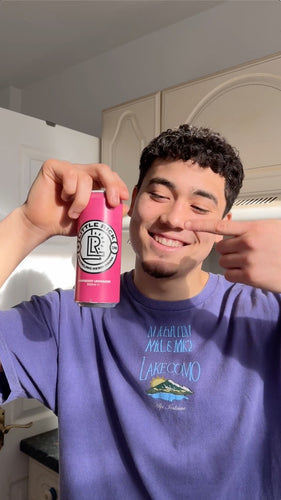
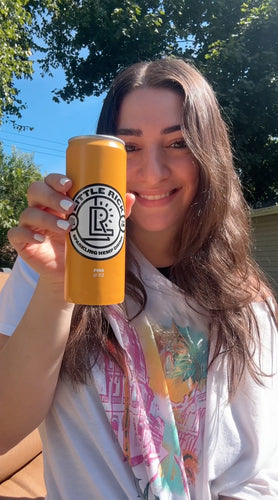
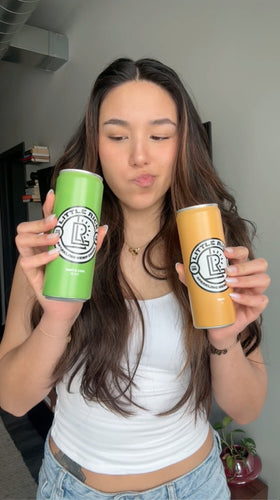
That is why our Little Rick 5mg THC drinks make sense for new or cautious adults. You get a lighter THC drink with 10mg CBD, bold soda-style flavor, and a clearer first read.
Are THC Drinks Bad for Beginners?
THC drinks are not bad for beginners if the dose is low and the setting is calm. The problem starts when a first-timer grabs 25mg THC because it looks like better value.
Start with 5mg or less if you are new to THC drinks. Sip slowly, eat something light first, and do not combine THC drinks with gummies, alcohol, or other substances.
THC Drinks vs Smoking: Are Drinks Healthier?
THC drinks are usually the easier choice on your lungs because there is no smoke to inhale. With smoking, cannabis plant material burns, and that creates hot smoke, tar, and other byproducts your lungs have to deal with.
A THC drink skips that whole part. No coughing, no lighter, no burnt smell following you around like a bad decision with shoes on.
THC Drinks vs Alcohol: Are THC Drinks Better for You?
THC drinks are better than alcohol, obviously. You still get the buzz, but not the full booze package. No beer breath, no mystery shots, no waking up feeling like your body wants to speak to management.
You still get a social drink in your hand, but without alcohol doing its usual chaos tour through your liver, sleep, and next morning.
Alcohol kills about 178,000 people a year in the United States, so it is not exactly the gentle option in this conversation.
Can THC Drinks Make You Sick?
Yes, THC drinks can make some people feel sick, mostly from too much THC or low tolerance. Nausea, dizziness, dry mouth, anxiety, fast heart rate, and feeling “too high” are the usual problems.
Large amounts can make the night rougher. Frequent use can also raise the risk of cannabis use disorder for some people. That does not mean one low-dose can is doom. It means the THC dose still counts.
Who Should Avoid THC Drinks?
-
Pregnant or nursing people
-
Anyone under 21
-
Anyone driving or operating machinery
-
People with drug-tested jobs
-
People with heart concerns
-
People with severe anxiety or psychosis history
-
People taking medications that may interact
-
Anyone mixing THC with alcohol
-
Anyone using large amounts or using daily
-
Anyone who cannot store cannabis products away from kids or pets
Are Hemp-Derived THC Drinks FDA Approved?
No, regular hemp-derived THC drinks are not FDA-approved medical products. The FDA has approved a small number of cannabis-derived or cannabis-related prescription drugs, but not general THC drinks for health use.
The 2018 Farm Bill removed hemp from federal controlled-substance rules when it stays under 0.3% delta-9 THC by dry weight. That does not mean every THC drink has FDA approval.
What Makes a THC Drink Less Risky?
Look for:
-
Low dose THC, especially 2mg to 5mg
-
Clear THC content per can
-
Lab testing and easy COAs
-
No mystery cannabinoids
-
No unlabeled infused beverages
-
No caffeine if you are sensitive
-
No alcohol mixed into the plan
-
Clear serving guidance
-
Adults 21+ only
-
Secure storage away from kids and pets
Are THC Drinks Bad for Your Liver, Brain, or Heart?
THC drinks are not known for damaging the liver like heavy alcoholic drinking can. That is one reason many people compare cannabis beverages with beer or cocktails.

Still, THC acts on the brain and nervous system, so psychoactive effects are the whole point. The heart part is more personal. THC can raise heart rate and blood pressure shortly after use, so people with heart concerns should be careful.
Can THC Drinks Show Up on a Drug Test?
Yes, THC drinks can show up on a drug test. Low dose, hemp-derived, and “just one can” do not make THC invisible.
Most tests look for THC metabolites after consumption. If your job, sport, probation, or travel rules involve testing, skip THC products. Your clean test is worth more than a can.
FAQ
Are THC drinks bad for your health?
They can carry risks, especially with high doses, frequent use, alcohol mixing, driving, pregnancy, certain health conditions, or poor-quality products.
Are THC drinks safer than smoking?
They avoid smoke inhalation, but they still contain THC and can still impair you.
Are THC drinks safer than alcohol?
They are different from alcohol, but not risk-free. Do not mix THC drinks with alcohol.
Can THC drinks make you anxious?
Yes, some people may feel anxious, uncomfortable, or overwhelmed, especially with higher doses or low tolerance.
Can THC drinks make your heart race?
They can. Cannabis can raise heart rate and blood pressure shortly after use, so people with heart concerns should be cautious.
Are low-dose THC drinks safe for beginners?
They may be more manageable than high-dose drinks, but beginners should still start low, sip slowly, and avoid driving or alcohol.
Can THC drinks show up on a drug test?
Yes. THC drinks may show up on a drug test.
Are THC drinks FDA approved?
No. Do not treat THC drinks as FDA-approved medical products. FDA has approved only certain cannabis-derived or cannabis-related prescription drugs, not general THC drinks for health use.
Who should avoid THC drinks?
Pregnant or nursing people, anyone driving or operating machinery, people under 21, people with drug-tested jobs, and people with certain health or medication concerns should avoid or seek medical guidance.
Are THC drinks bad if you only have one?
One low-dose THC drink may be manageable for some adults, but effects vary. Even one drink can impair some people or create drug-test risk.