Understanding Legislative Shifts: How Changes in Hemp Regulations Affect Your Business
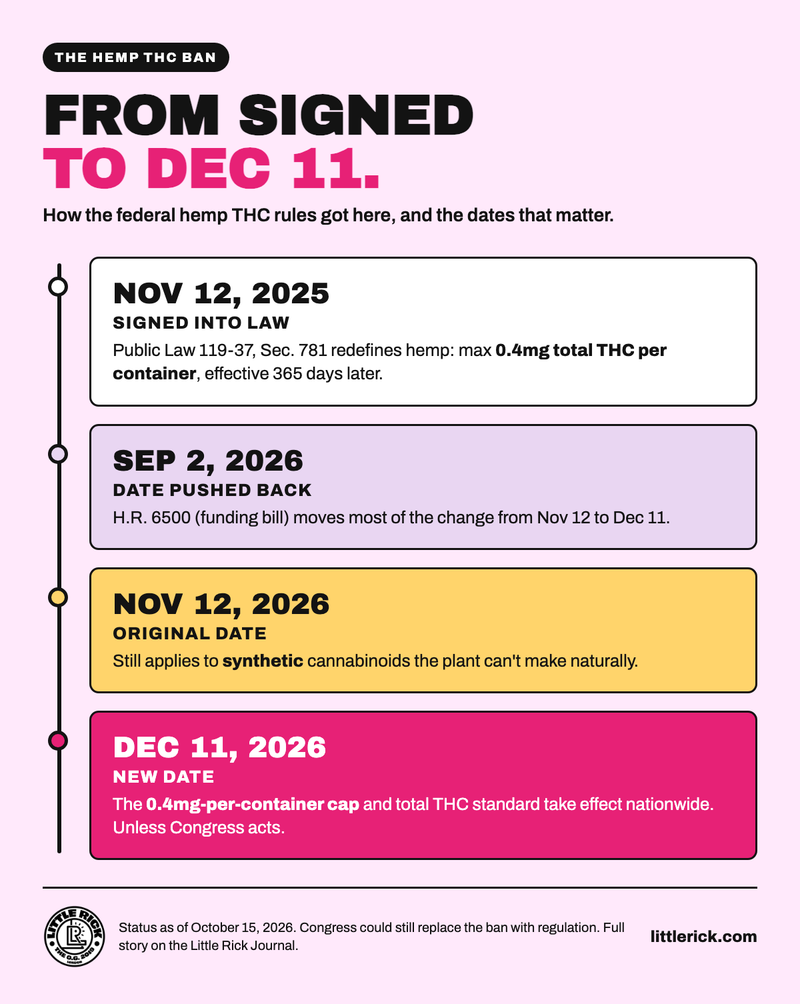
In recent developments, restrictive legislation on hemp-derived THC products is advancing in several U.S. states, reflecting a significant shift in regulatory landscapes. For stakeholders in the hemp industry, including retailers, distributors, and investors, these changes hold profound implications for business operations and product offerings.
The Impact of New Regulations on Product Lines
Recent legislative actions, particularly in Texas, New Jersey, and Tennessee, propose substantial modifications to the sale and distribution of hemp-derived products. In Texas, lawmakers are contemplating legislation that could potentially ban all hemp-derived substances, potentially erasing a significant portion of the local market overnight. For businesses reliant on hemp derivatives like CBD and THC for their product lines, staying ahead of such legislative changes is vital to navigating risks and aligning product offerings with new legal standards.
Changes in Distribution and Retail Channels
Tennessee presents a prime example with the new regulation that grants alcohol distributors exclusive rights over infused beverages. This change mandates that companies operating in or entering the Tennessee market adjust their distribution strategies. Aligning with alcohol distributors might become necessary, affecting everything from logistics to revenue sharing models. Foresight and strategic adjustments in response to these laws will be crucial for maintaining market presence and optimizing distribution frameworks.
Investment Opportunities Amid Regulatory Flux
While regulatory changes often introduce challenges, they also open new avenues for innovation and investment. As some states tighten regulations, others may emerge as more favorable markets for hemp products. Recognizing these shifts can unveil lucrative opportunities for expanding operations or redirecting investments into markets with a regulatory environment more conducive to hemp-based businesses.
Little Rick's Compliance and Market Positioning
At Little Rick, adherence to compliance and a proactive approach to regulatory shifts stand as core operational pillars. Our range of THC drinks and edibles are meticulously designed to meet the stringent safety and quality guidelines required across various markets in the U.S. Understanding that the legal landscape is as dynamic as the market itself, Little Rick remains committed to ensuring all our products not only meet current regulations but are also prepped to adapt to potential legal adjustments.
What This Means for a Store Owner
If you run a liquor store, a bottle shop or a convenience store that sells hemp THC drinks, regulatory news can feel like weather you can't control. You can't vote on every bill, but you can make sure a change in the rules never catches your business off guard. The stores that cope best with new hemp rules tend to do three things well: they know exactly what is on their shelves, they buy from suppliers who can prove what is in each product, and they keep a close eye on their own state rather than on headlines from somewhere else.
- Know your inventory. Keep a simple list of every hemp-derived product you carry, with its THC content per serving and its supplier. If a rule changes, you can see in minutes what it touches.
- Don't overstock. When a bill is moving in your state, order in smaller, more frequent batches so you are not left holding cases you can't sell.
- Train your staff. Make sure everyone at the register checks ID for every THC purchase (21 and over) and knows where to find a product's lab results if a customer asks.
- Talk to your distributor. Distributors often hear about changes early. Ask them how they plan to handle new rules in your state.
Questions to Ask Your Hemp Suppliers
When the rules are in flux, a supplier's paperwork matters as much as their flavors. Before you reorder, ask each brand:
- Do you have current lab results (a certificate of analysis) for every batch, and can I see them?
- Is the THC per serving printed clearly on the can or pack?
- Are your labels and marketing aimed only at adults 21 and over?
- If my state changes its rules, how will you tell me, and what will you do about stock I already hold?
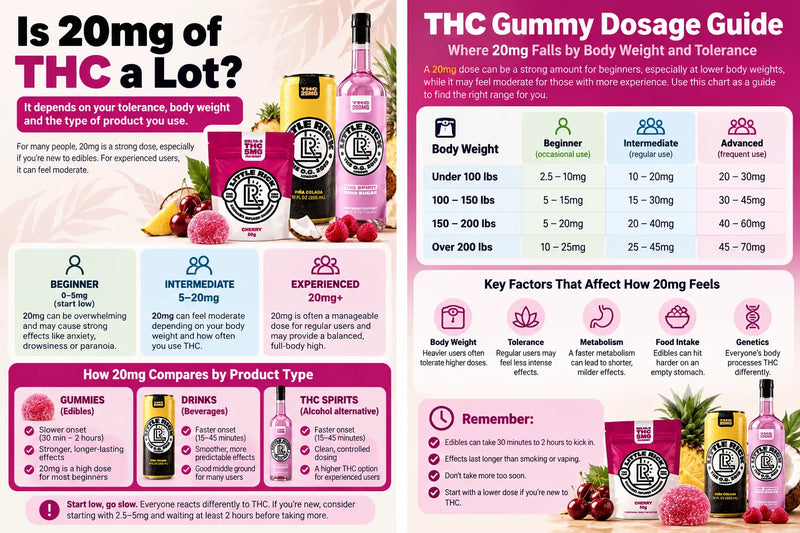
Clear labeling is one of the simplest signs of a careful brand. We explain why it matters in our post on standardized THC potency labeling. Every Little Rick can carries its dose on the label, from a 5mg Piña up to our 25mg drinks.
How to Keep Up With State Rules
State legislatures move at different speeds, and a bill being introduced is not the same as a law taking effect. Check your state regulator's website for the current rules, read the actual text or official summary where you can, and be wary of social media posts that make a proposal sound final. For a snapshot of how quickly things were moving in 2025, see our May 2025 regulatory update by state.
A note on timing: this post reflects the situation when it was written. Hemp rules change often, so check your state's current rules before you change what you stock.
FAQ
Do new hemp rules in one state affect my store in another?
Generally, what matters for your store is the law where you sell. Rules in other states can still affect your suppliers and distributors, so it's worth asking them how they are affected.
What should I do if a bill is introduced in my state?
Don't panic-sell or panic-buy. Follow the bill through your state regulator or legislature's website, talk to your distributor and keep your orders lean until the outcome is clear.
Conclusion
For those navigating the complexities of the hemp market in the U.S., staying informed about legislative developments is crucial. At Little Rick, we strive to serve as both a resource and a partner to retailers, distributors, and investors looking to thrive in this evolving industry. We invite you to explore our compliant product offerings and join us in paving the way forward. Visit our website to learn more about how we can support your business in adapting to and capitalizing on these changes within the U.S. hemp industry.